Why did the postwar era, built around the principles of the UN Charter, international law, and human rights, simultaneously become a period of rapid expansion of a new type of dictatorship, regimes that fit neither of the two...
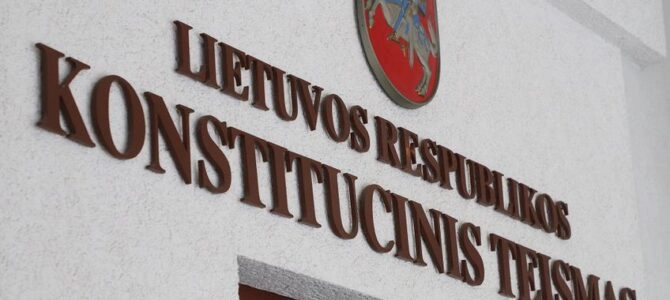
During the period when Žalimas chaired the Constitutional Court and Landsbergis, “deeply involved in Belarusian affairs,” headed the Lithuanian Foreign Ministry, Lithuanian authorities decided to punish us through the pressur...
Authoritarian leaders have long learned to understand the true value of European statements. They know that there is a vast distance between a post on Twitter and the willingness to act.
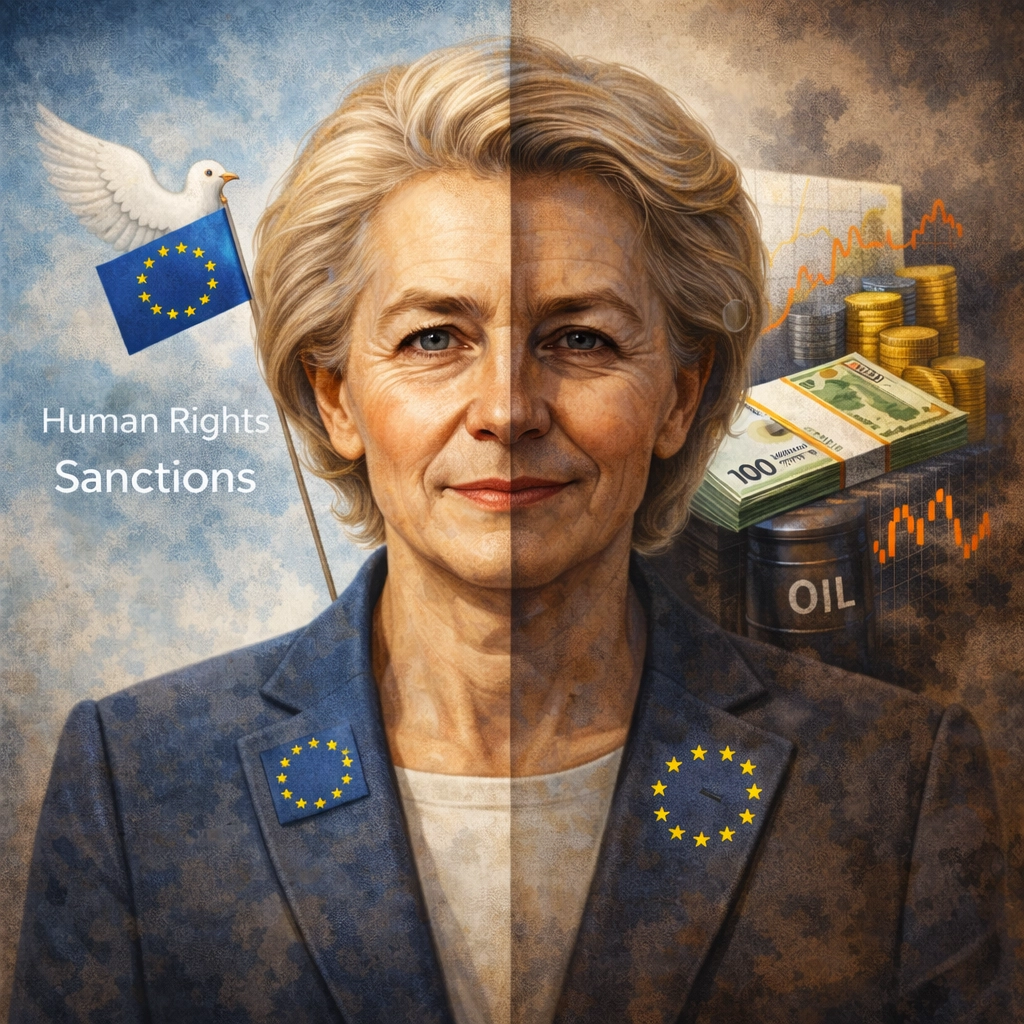
Europe today is increasingly governed by politicians of a different historical type. To borrow a biblical image, they are “neither cold nor hot.” They are competent managers of an already constructed order, yet they often lac...
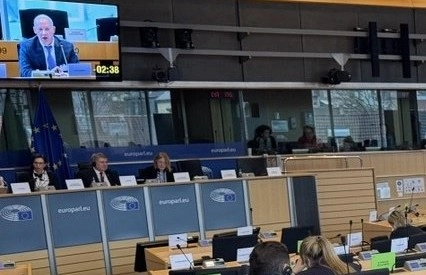
If the EU is prepared to examine political ties with Russia, it must apply the same level of scrutiny to economic relationships, which form the real foundation of any political engagement.
I have called on the Committee to continue its examination until a clear, verifiable, and legally substantiated response is provided by the European Commission
The contrast between the Russia–Ukraine war and the US–Iran confrontation exposes a core inconsistency in Europe’s response: strong in words, absent in action.
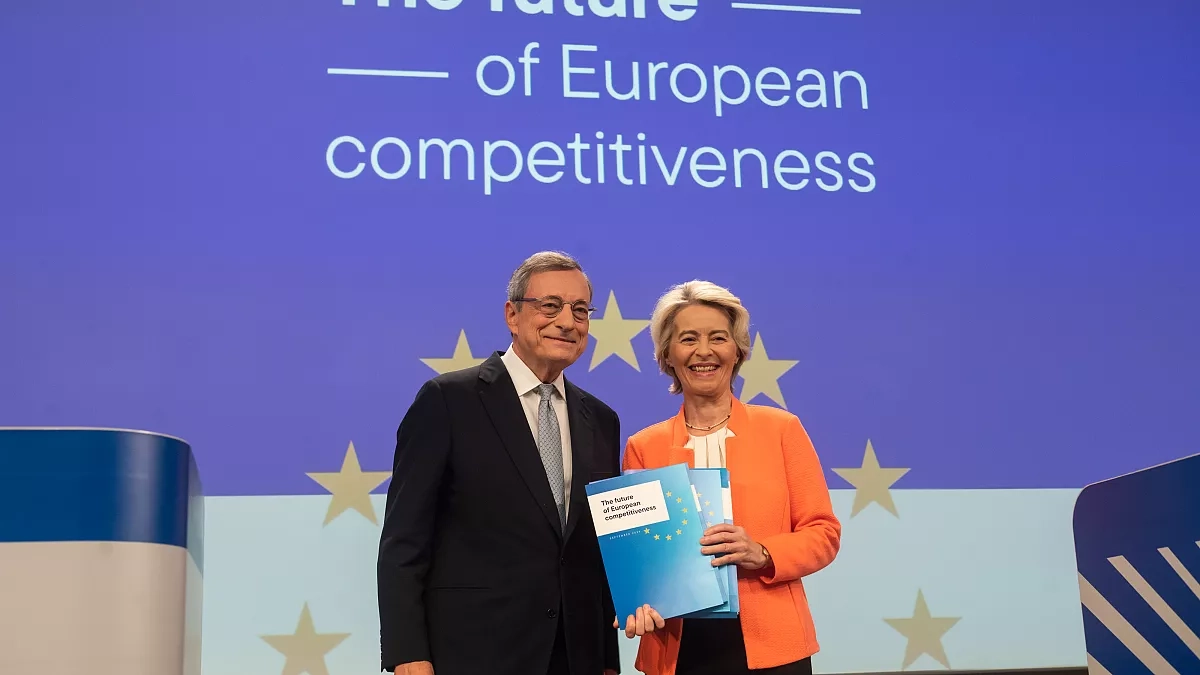
Europe has long been capable of describing its problems. What it struggles with is answering a far more difficult question: what vision of the future it is prepared to offer—to the world and to itself.